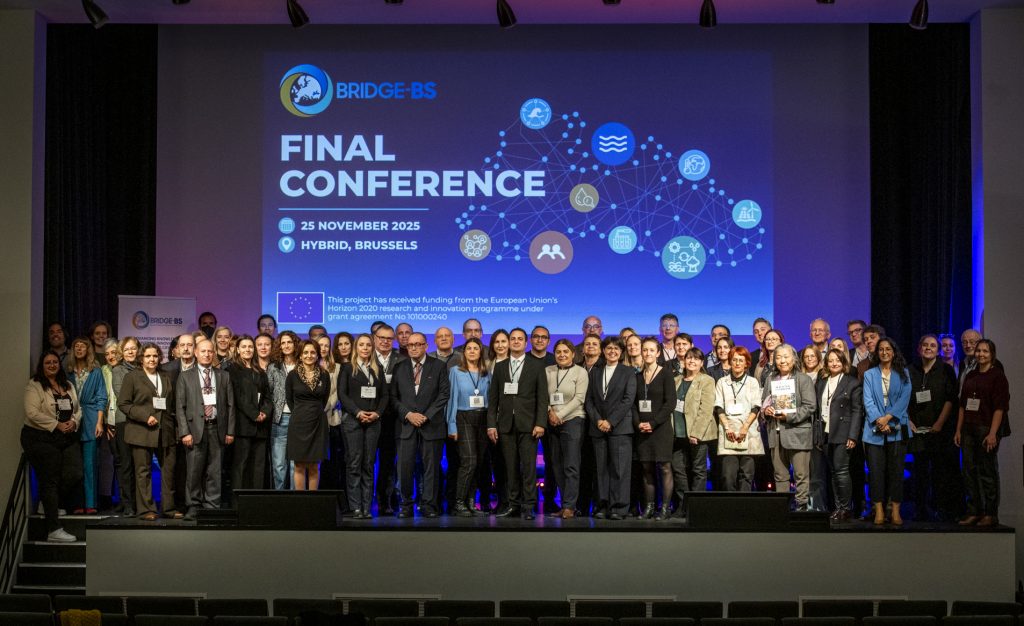
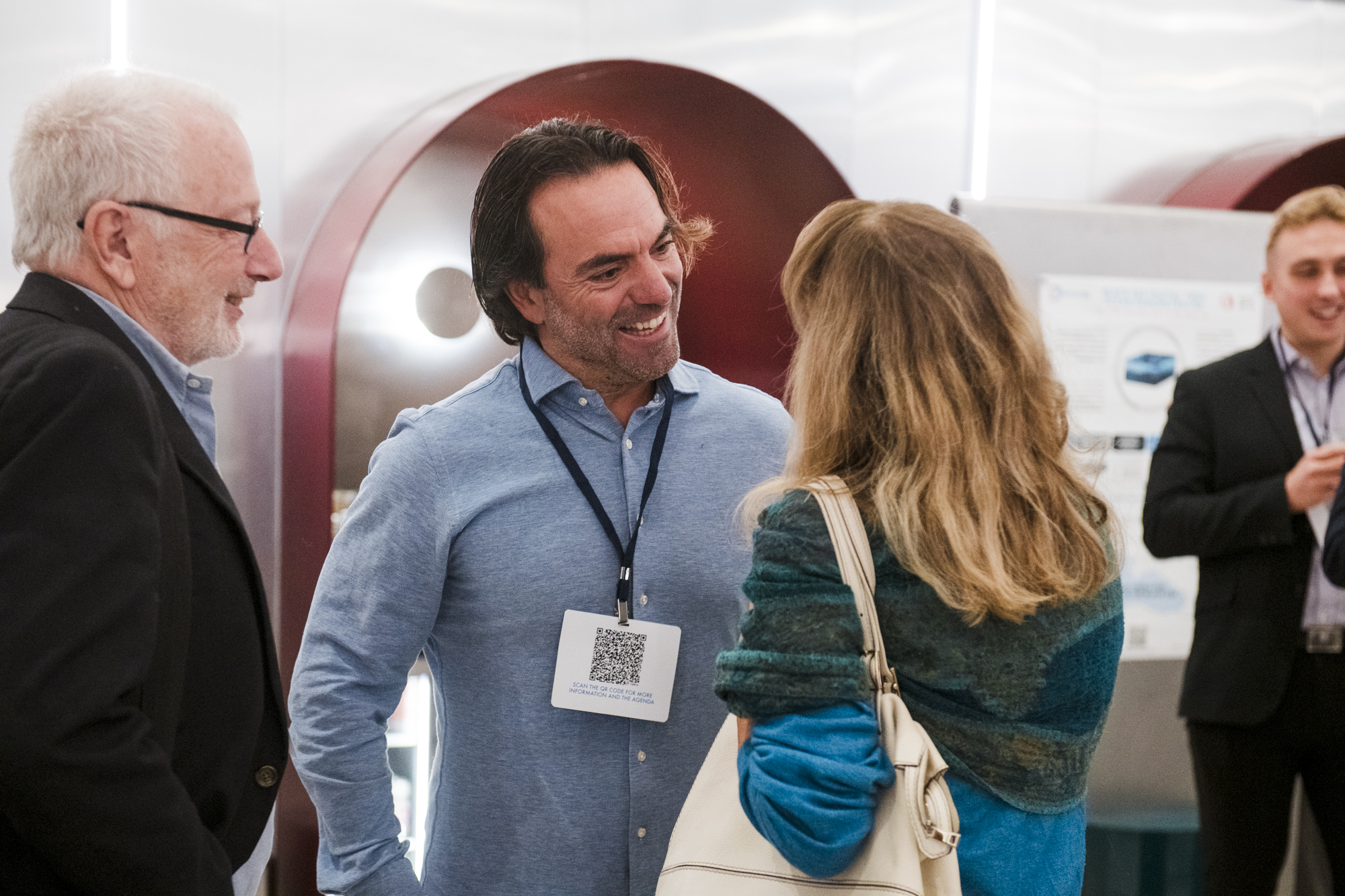
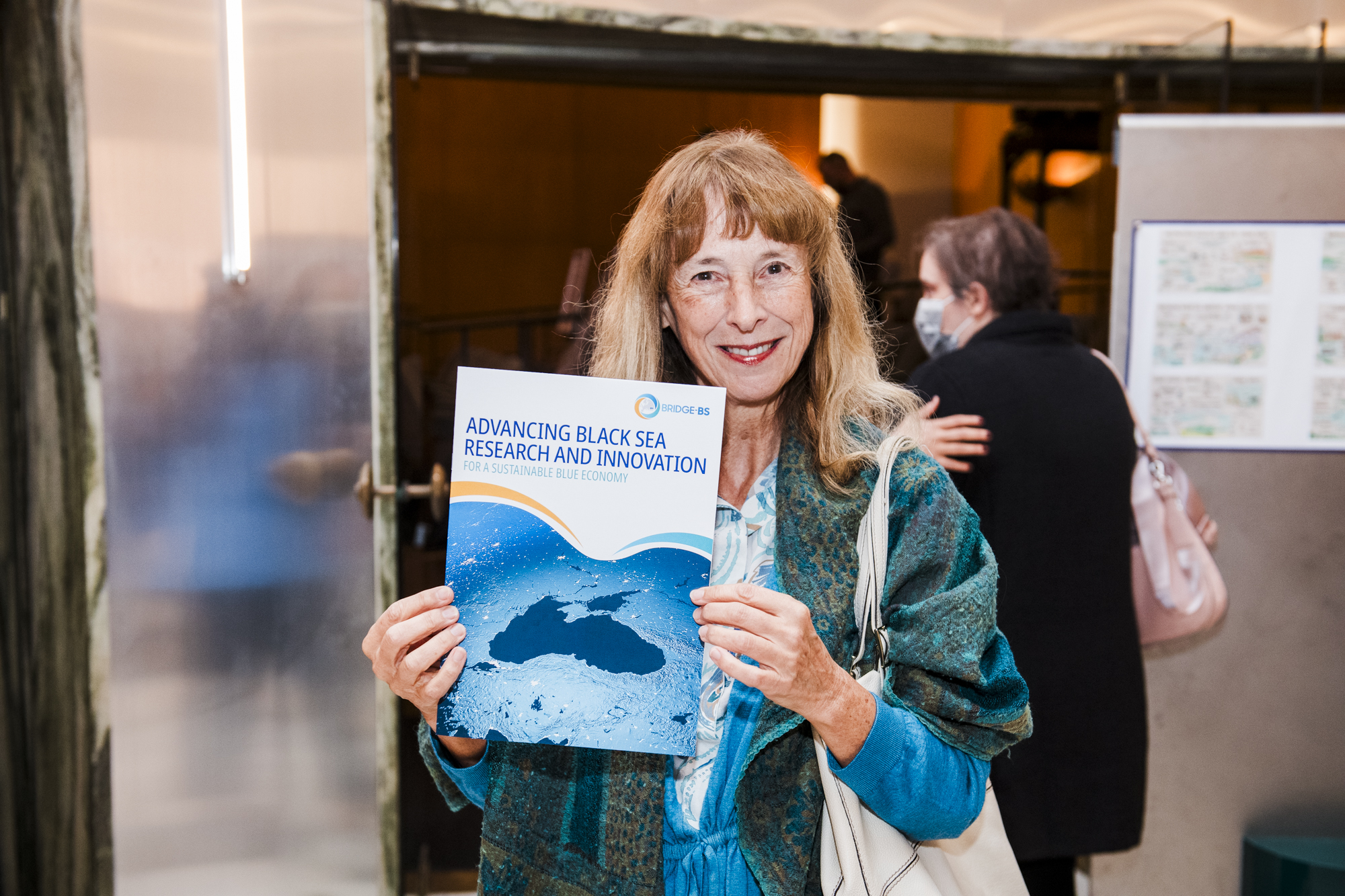
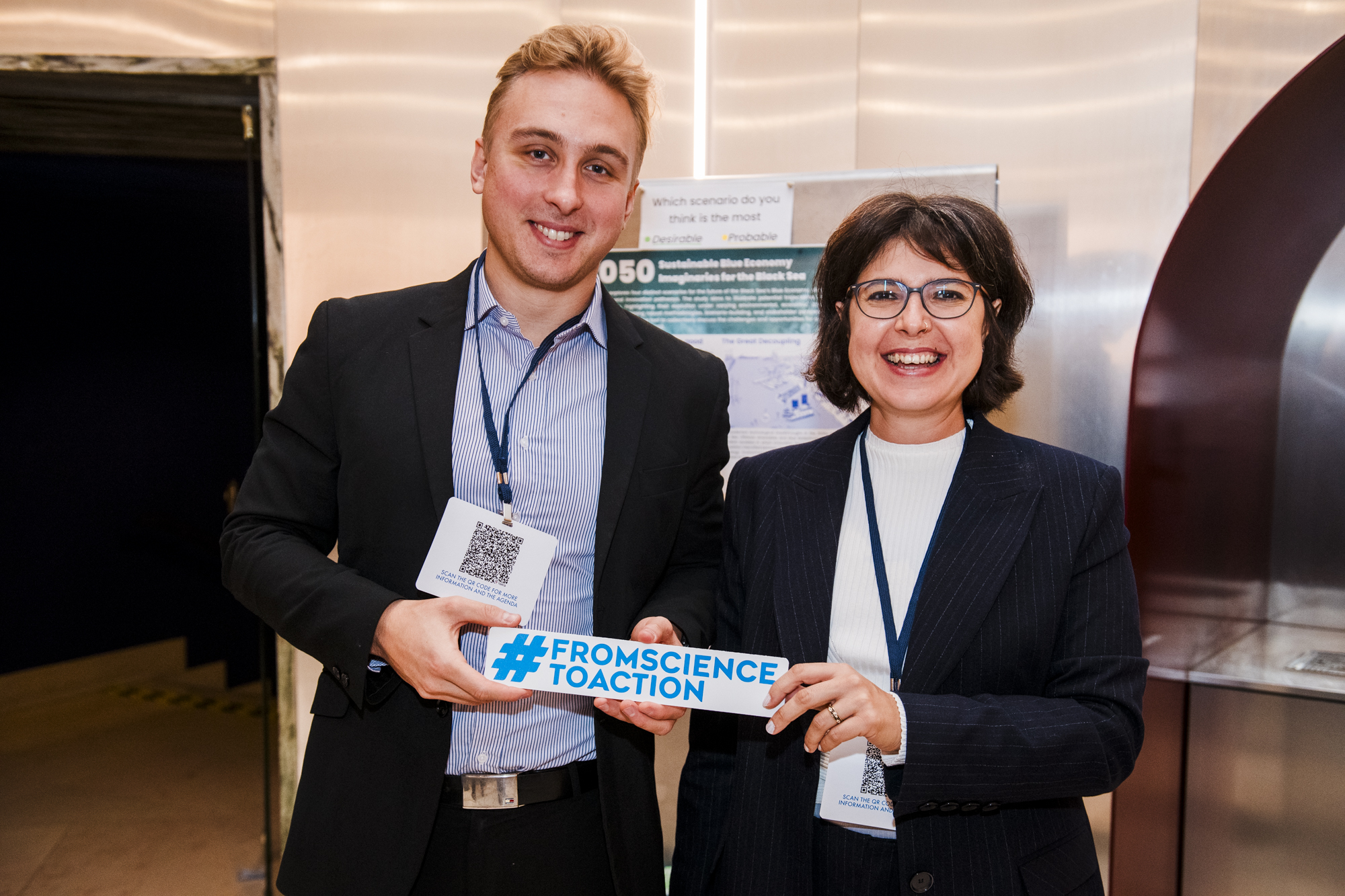
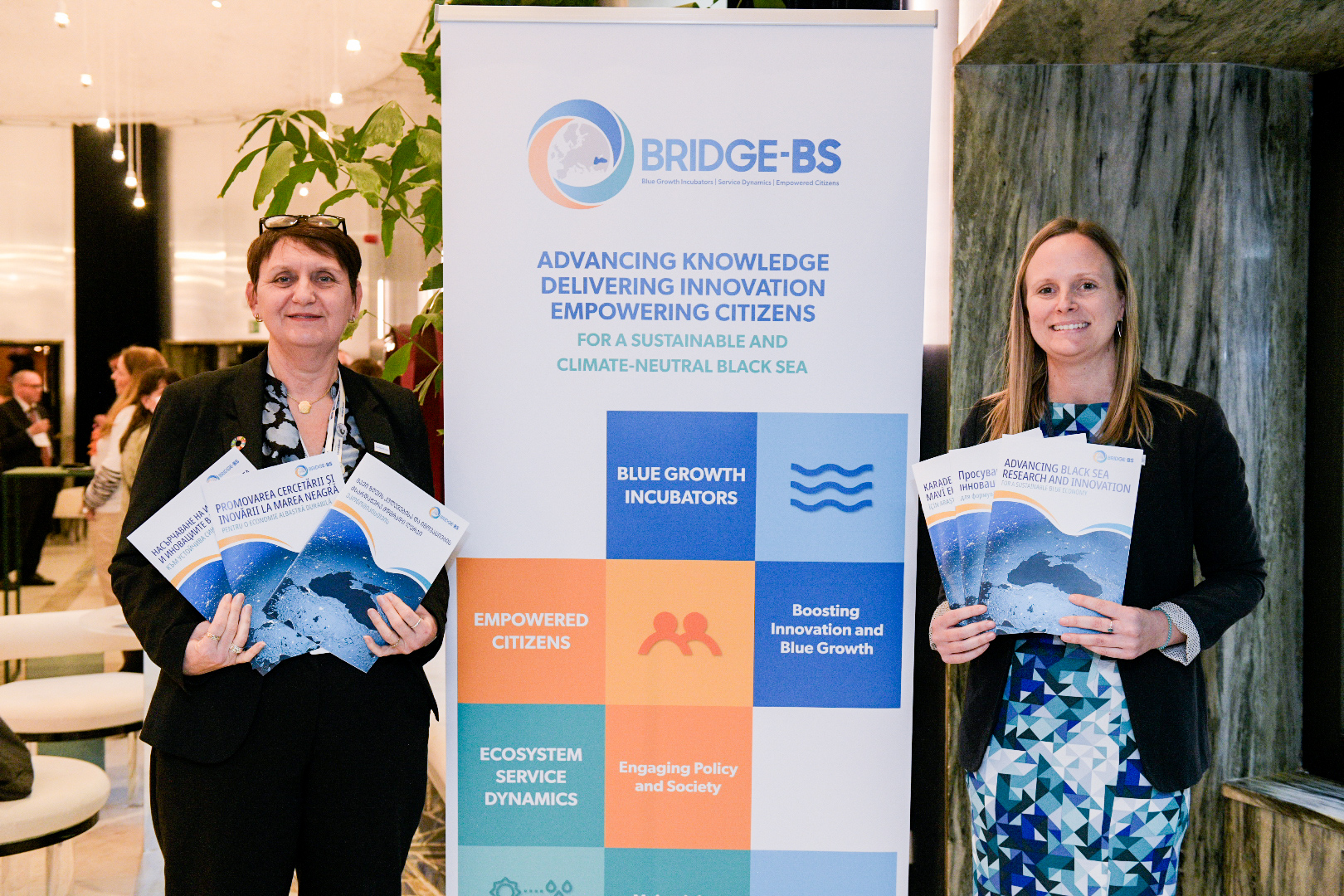
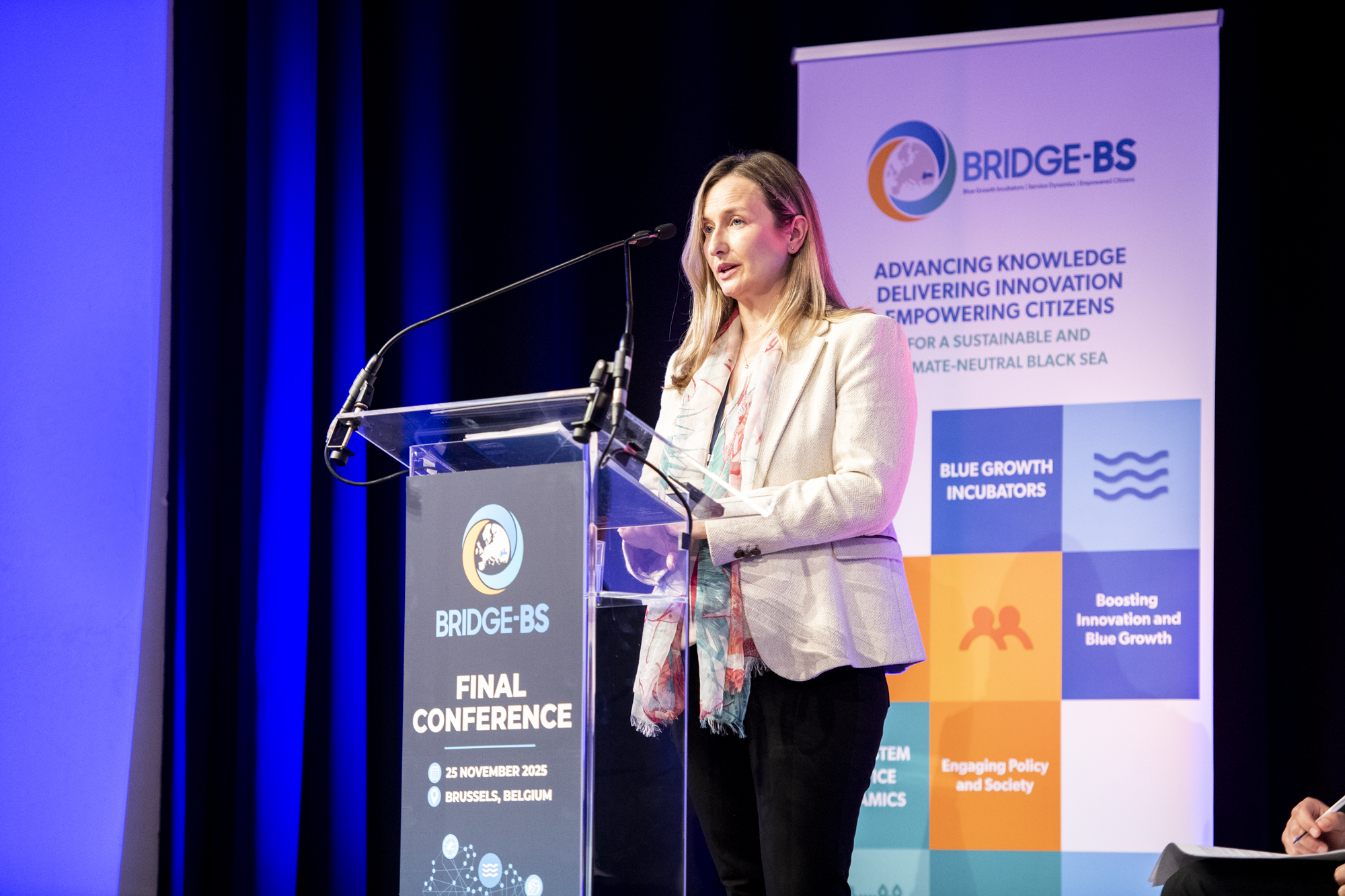
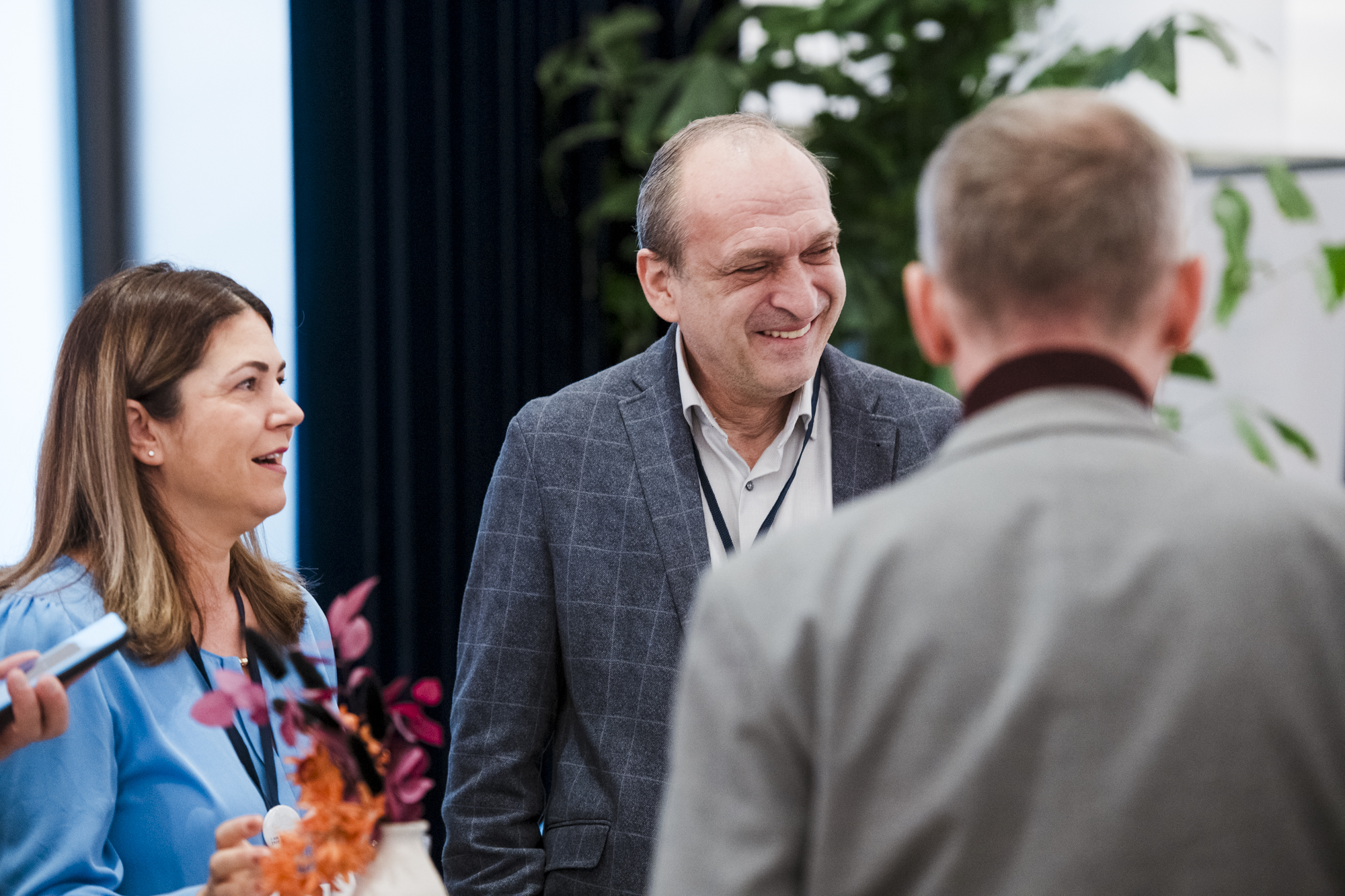
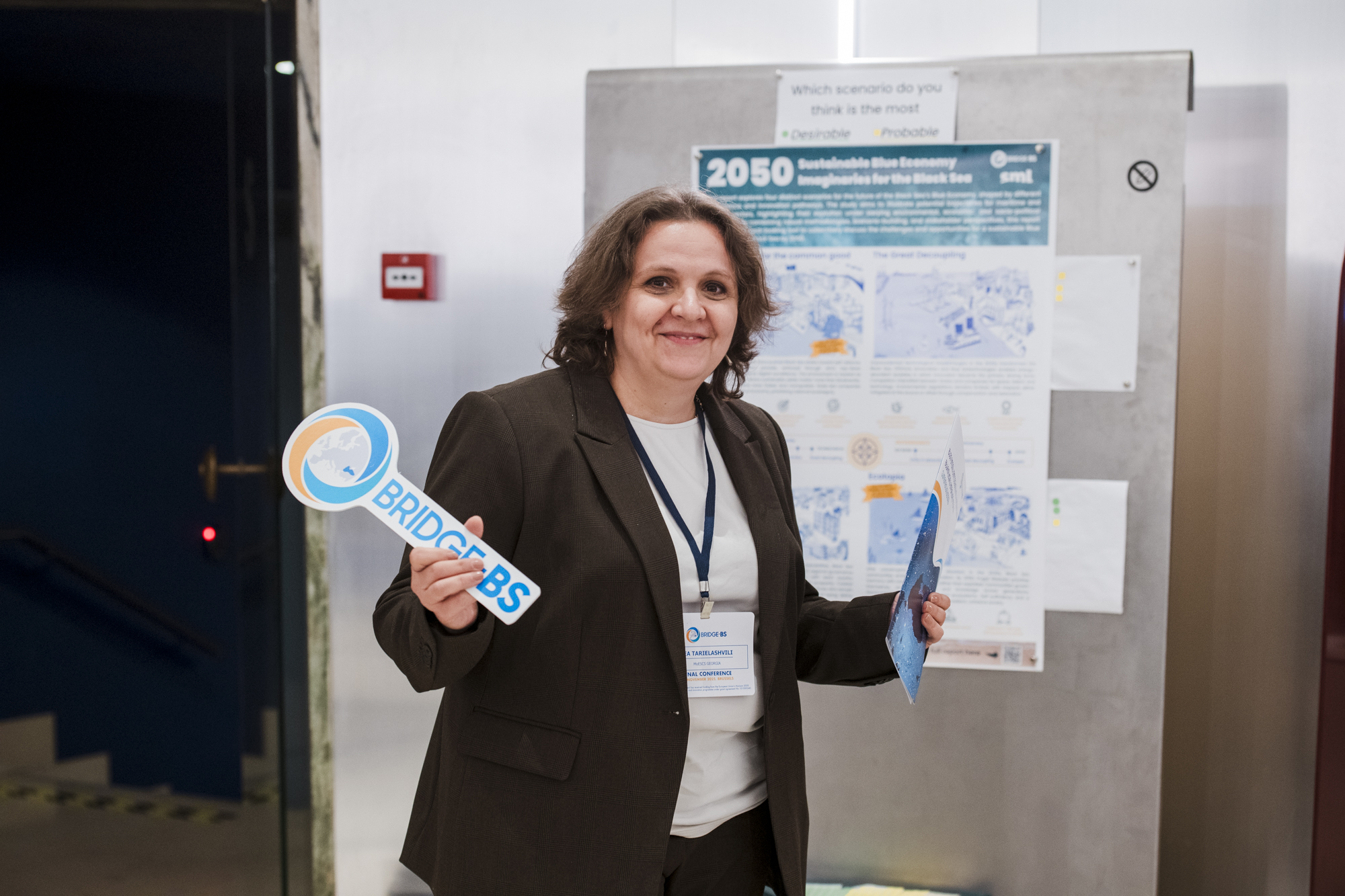
BRIDGE-BS held its Final Conference in Brussels on 25 November 2025, bringing together 160 participants (with 65 on-site and 95 online) spanning scientists, policymakers, and stakeholders from the Black Sea region and beyond. After four and a half years of research, innovation, and collaboration, the event marked both a celebration of the project’s achievements and a call for joint actions to advance a sustainable and resilient blue economy in the Black Sea.
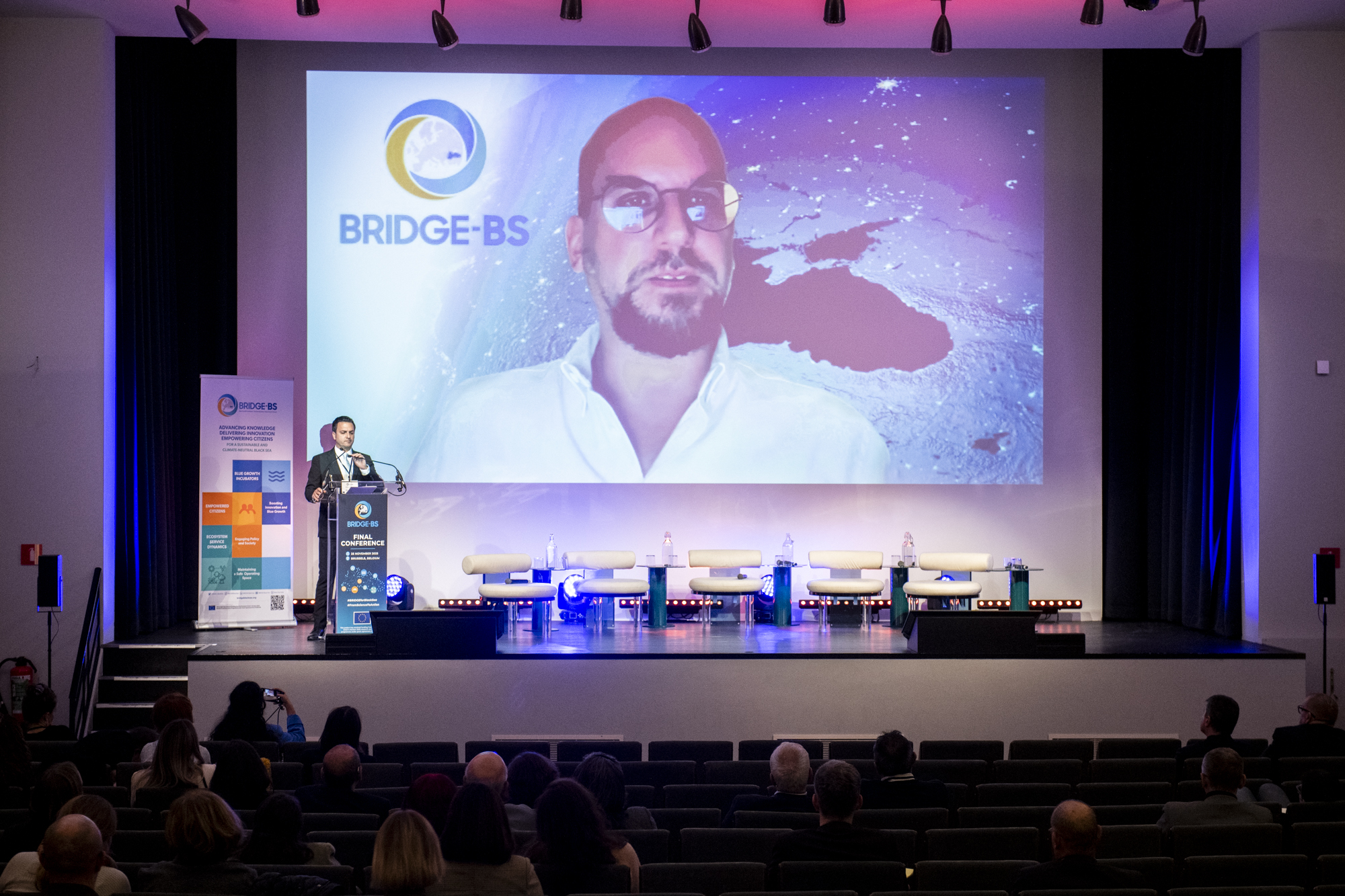
The conference opened with remarks from Wiebke Pankauke (DG Research & Innovation), Lana Bezinovic Sostar (DG Maritime Affairs and Fisheries), and Amb. Dr. Georgi Panayotov (BSEC), who highlighted BRIDGE-BS’s impact in extending the boundaries of regional cooperation and contributing to European and global blue economy and sustainability agendas.
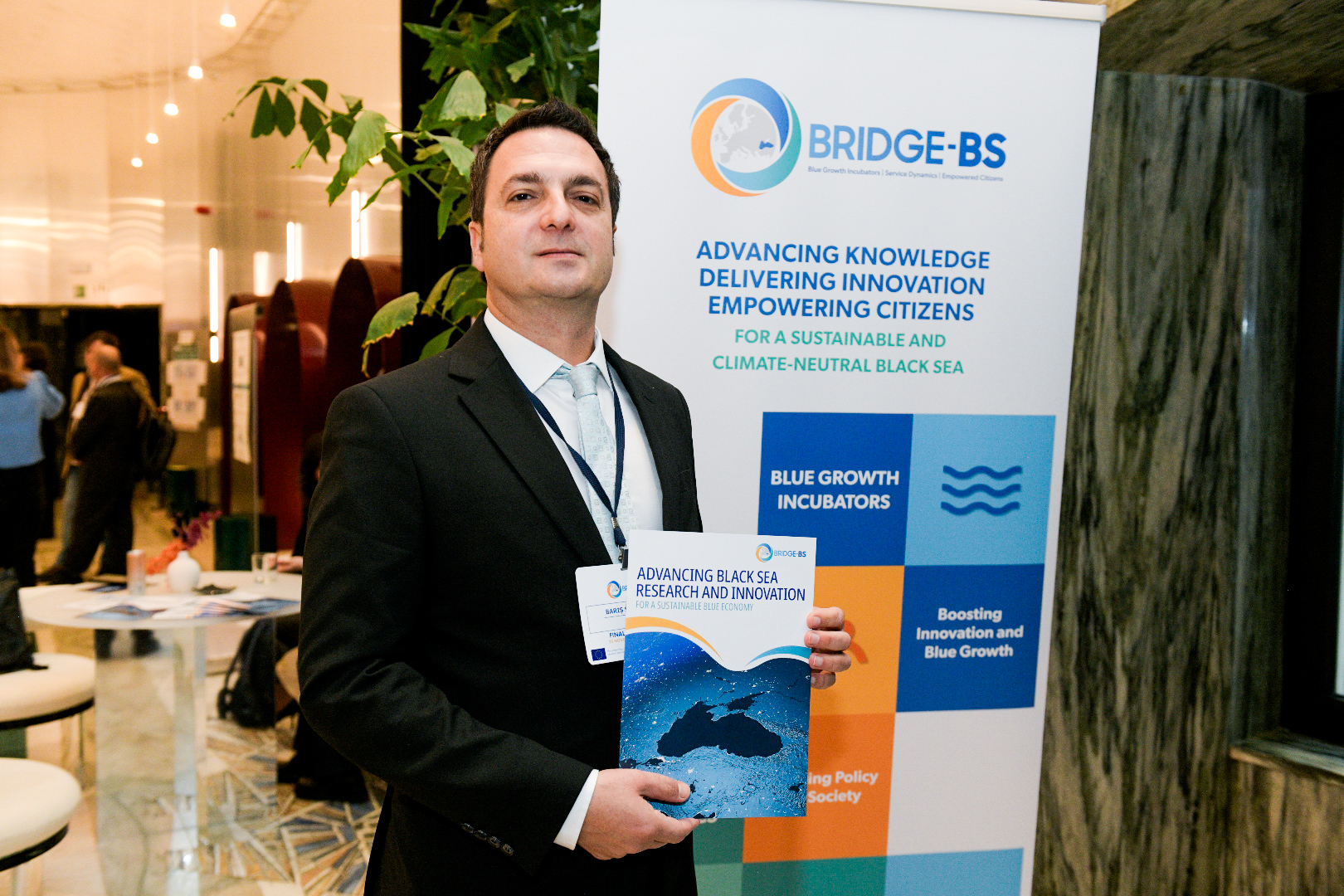
Project Coordinator Barış Salihoğlu followed with an overview of how BRIDGE-BS delivered on the implementation of the Black Sea Strategic Research and Innovation Agenda (SRIA), setting the stage for a detailed showcase of the project’s scientific, technological, and societal contributions.
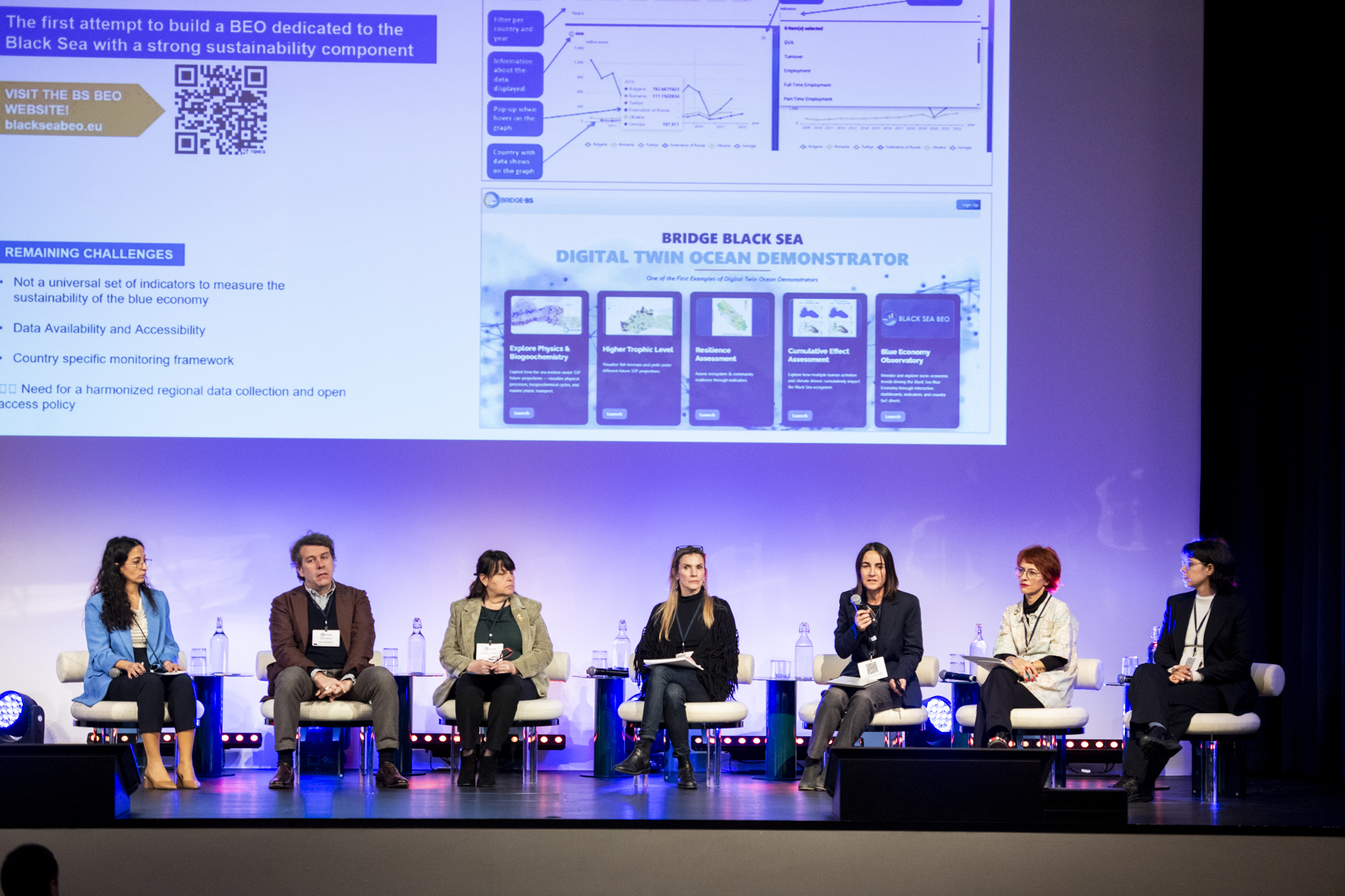
The main session presented BRIDGE-BS’s core results, structured around the project’s mission to define a safe operating space for the Black Sea. The session opened with the Black Sea DTO Demonstrator, the project’s flagship output. This innovative digital twin integrates data, modelling, and scenario analyses to support informed and adaptive decision-making, illustrating the potential of next-generation ocean intelligence in managing the Black Sea under environmental and socio-economic multi-stressors.
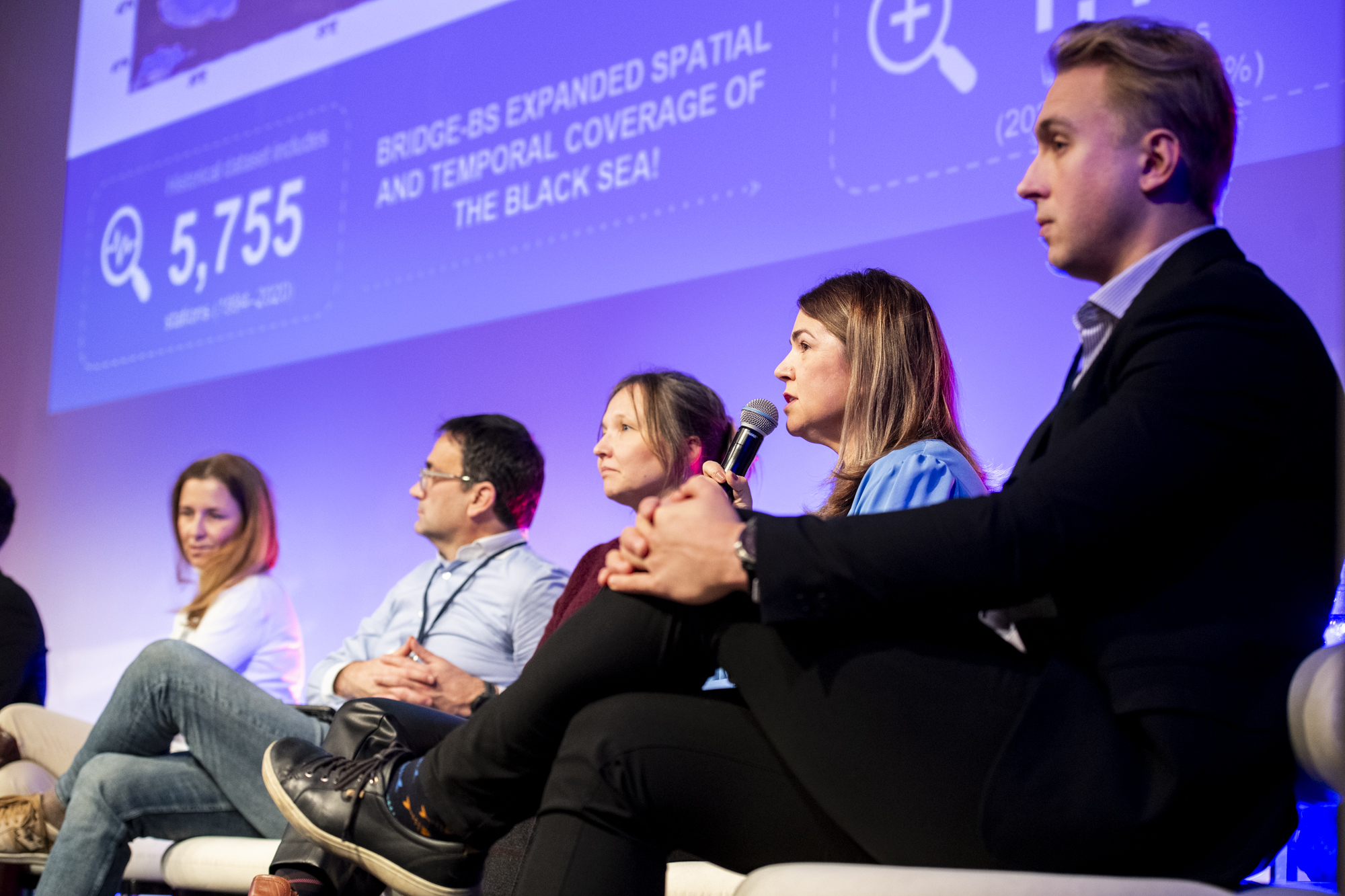
The BRIDGE-BS experts highlighted complementary project outputs that advance scientific understanding and policy support. These included the BRIDGE-BS Database, providing a resource for long-term research; an advanced modelling framework for climate and ecosystem simulations; analyses identifying ecosystem resilience; and future scenarios shaped by stakeholdersinputs. AI-driven tools were also introduced as emerging solutions to enhance ecosystem assessment and management. The second part of the session focused on BRIDGE-BS’s society and policy achievements, including Living Labs, smart monitoring systems, the Black Sea Accelerator, policy uptake efforts, and extensive capacity-building activities. The importance of early-career researchers was underscored through reflections on the BRIDGE-BS PhD students’ experiences, emphasizing how the project has shaped the next generation of marine scientists.
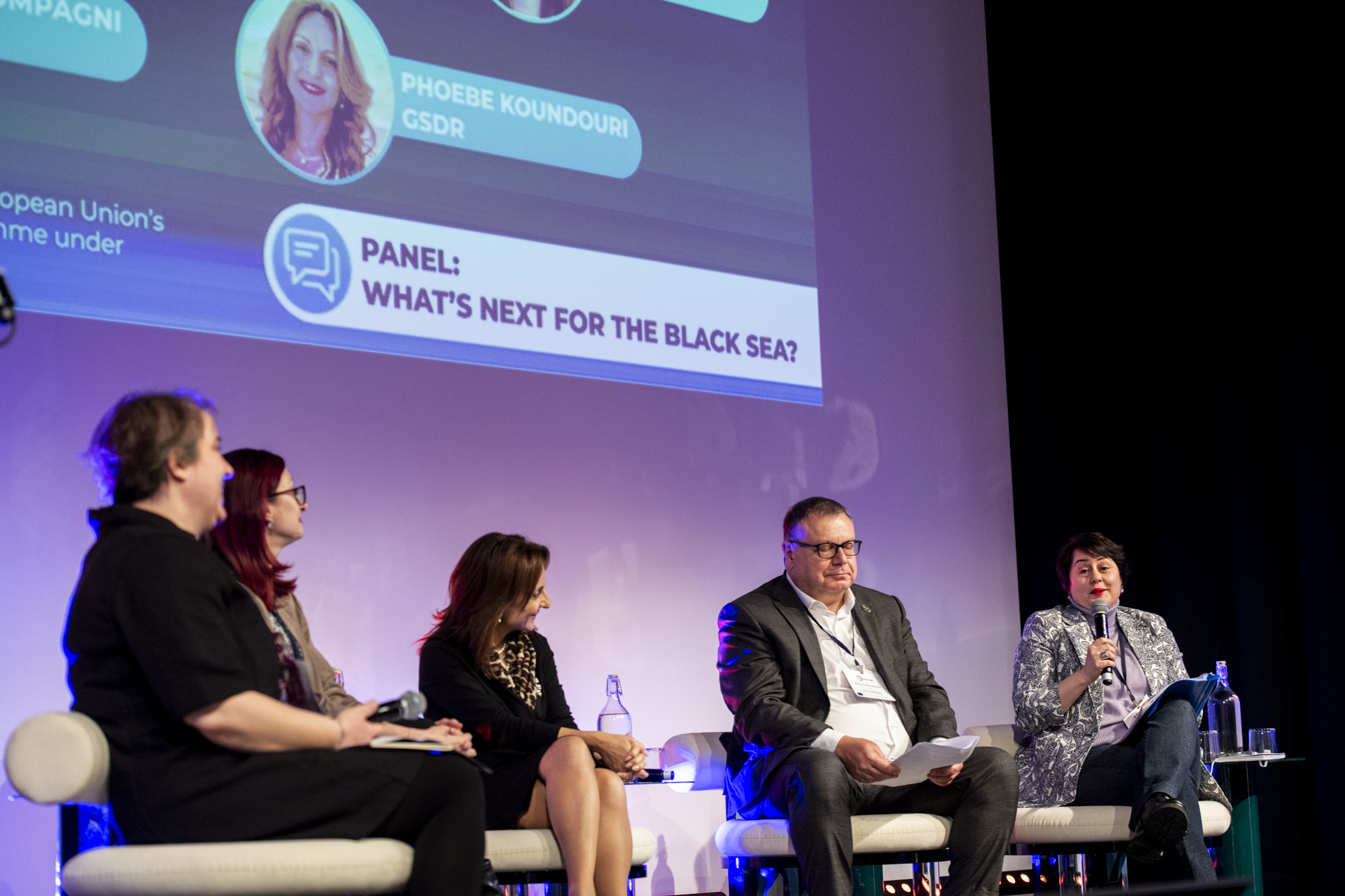
The panel “What’s next for the Black Sea?” brought together high-level representatives from regional and European initiatives to discuss the future of cooperation in the basin. The discussions centered on sustaining the legacy of BRIDGE-BS, strengthening coordinated action, and aligning Black Sea efforts with broader blue economy priorities.
At the Final Conference, the BRIDGE-BS Policy Brief was also launched as one of the project’s key outputs, offering recommendations for policymakers, research institutions, and operational services based on the scientific knowledge and research generated throughout the project.
In his closing remarks, BRIDGE-BS Co-Coordinator Mustafa Yücel emphasized, “The key legacy of BRIDGE-BS is the Black Sea community; strengthened, connected, and empowered.” Building on this momentum, the project’s flagship Black Sea Digital Twin Ocean Demonstrator was showcased as a success story at the Digital Ocean Forum, highlighting how BRIDGE-BS outputs continue to support informed decision-making and sustainable management of the Black Sea. Through its innovative tools, research, and capacity-building initiatives, BRIDGE-BS is not only leaving a lasting legacy but also actively driving positive change for the region’s blue economy.